The Retail Media Reckoning: How CPG Brands Are Rethinking Budget Allocation
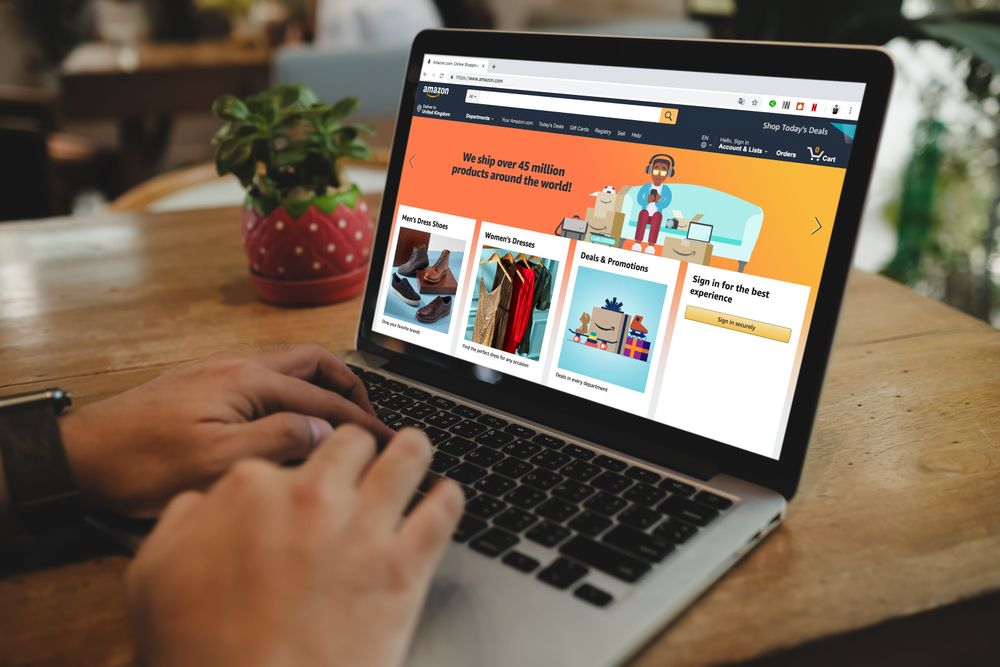
Retail media has moved from an emerging opportunity to a major part of the CPG media plan. Amazon built the model around product search and purchase intent, and Walmart Connect has expanded rapidly across digital and physical retail. Grocery, delivery, pharmacy, and other major retailers have followed with their own networks.
For CPG brands, that growth has created more ways to reach shoppers, but has also complicated budget allocation. The question is no longer whether brands should invest in retail media, but how much it should receive, which networks deserve investment, and what other parts of the media plan should fund that growth.
Just as important, marketers need to know whether retail media is actually creating incremental sales or simply taking credit for transactions that were already likely to happen.
The next stage of retail media will be defined by more disciplined investment. CPG brands need to understand where demand begins, where it converts, and where the next media dollar can create the most impact.
Retail Media Has Reached Its Next Stage of Growth
Retail media is no longer limited to sponsored products appearing next to search results on a retailer website.
IAB projects U.S. commerce media spending to grow 12.1% in 2026, nearly 30% faster than the overall advertising market. At the same time, IAB points to fragmentation, inconsistent measurement, and questions about incrementality as ongoing challenges for advertisers.
Retail media networks are also expanding well beyond the digital shelf. Retailer data can increasingly be used across connected TV (CTV), streaming video, social, programmatic display, and the open web, changing the role retail media can play.
What began primarily as a lower-funnel conversion tool is becoming a broader media ecosystem capable of supporting awareness, consideration, and sales.
For CPG brands, however, more inventory does not automatically mean more value. Retail media has matured to the point where simply increasing spend is no longer a strategy. Every network must earn its role within the broader media plan.
Where CPG Media Dollars Are Moving
The growth of retail media isn’t funded by a single source. Depending on the organization, investment may come from shopper or trade marketing, paid search, programmatic display, social, television and video, broader brand budgets, or incremental marketing dollars. Where the money comes from matters because it changes what retail media is expected to accomplish.
Moving shopper marketing dollars into an RMN may come with a clear expectation around sales and conversion, while moving money away from TV or digital video creates a different standard. Retail media then needs to prove that it can deliver reach, awareness, consideration, or incremental demand in addition to transactions.
That is why the retail media budget conversation can’t happen independently from the broader media plan. Money that shifts into retail media is money that may no longer be available somewhere else. The question is whether that investment creates more value than the alternative use of the same budget.
Amazon Still Sets the Retail Media Benchmark
Amazon is the standard against which most retail media networks are compared. Its advantage begins with scale and strong purchase intent. Millions of shoppers use Amazon to buy products, to research brands, compare features, read reviews, and evaluate alternatives. That gives advertisers access to valuable shopping and purchase signals at moments when consumers may already be close to a decision.
Amazon has also expanded far beyond Sponsored Products. Through Amazon DSP and its advertising ecosystem, brands can reach audiences outside the Amazon marketplace and connect commerce data with streaming, video, display, and other media environments. For many CPG marketers, this combination makes Amazon difficult to ignore.
Where Amazon Investment Requires More Scrutiny
Scale doesn’t make every Amazon investment equally valuable. Competition can drive costs up in crowded categories, while strong branded or product-level intent can make it harder to separate sales caused by advertising from sales that would have happened anyway.
A loyal customer searching Amazon for a specific brand may convert after seeing a sponsored placement. The platform can attribute that transaction to the ad, but the consumer may have arrived intending to purchase that product in the first place. This distinction gets even more important as budgets grow.
Amazon should be a major part of the retail media discussion for many CPG brands, but its scale shouldn’t lead to automatic increases in investment. The deciding factor should be whether additional spending continues to generate incremental business value.
Walmart Connect Is Becoming Harder to Treat as Secondary
If Amazon established the retail media model, Walmart Connect is becoming its most important large-scale alternative for many CPG brands. Walmart's greatest distinction is its connection between digital behavior and physical retail.
Walmart says approximately 150 million U.S. customers shop online and in stores each week, supported by more than 4,600 U.S. locations. Its closed-loop measurement can connect advertising exposure with sales across its website, app, and stores. That is especially relevant for CPG categories where a large share of purchases still takes place offline.
Walmart Connect is moving well beyond Walmart-owned digital properties. In 2026, it expanded access to Walmart first-party audiences and measurement across outside buying platforms and CTV inventory, including VIZIO. Walmart has also announced integrations that allow advertisers to use Walmart audiences in YouTube campaigns through Google's Display & Video 360 and measure the resulting Walmart sales.
Walmart Connect is no longer competing only for the retail search dollars historically directed toward Amazon. It can now compete for programmatic, video, social, and CTV investment as well. For CPG brands with meaningful Walmart distribution and sales, that makes Walmart Connect increasingly difficult to treat as a secondary network.
The Retail Media Market Is Bigger Than Amazon vs. Walmart
Amazon and Walmart may dominate the conversation, but they are only part of the retail media landscape. Target Roundel, Instacart, Kroger Precision Marketing, Albertsons Media Collective, DoorDash, and category-specific networks across grocery, pharmacy, beauty, pet, and home improvement give CPG brands access to additional shopper populations and purchase signals.
Grocery networks are important because loyalty programs and frequent shopping behavior can provide detailed information about category preferences and basket-level purchases. Sensor Tower reported that Kroger delivered 2.4 billion retail media impressions in Q1 2026 across the grocery networks it analyzed, followed by Albertsons at 950 million.
These networks can help brands reach customers who may not be adequately represented through Amazon or Walmart alone, but there is a limit to the value of diversification. Spreading a finite budget across too many networks can leave each one without enough investment to produce meaningful scale. Brands also face different reporting standards, overlapping audiences, competing attribution models, and added management complexity.
The goal shouldn’t be presence on every RMN. Investment should follow retailer importance, audience value, category relevance, and evidence of incremental impact.
Why More Retail Media Does Not Automatically Mean Better Media
One of retail media's biggest selling points is measurability. Retailers often know when an ad was shown and whether the same shopper later purchased the advertised product. That closed-loop view offers valuable information that many traditional media channels cannot provide as directly.
But measurability and incrementality are not the same thing. A shopper purchasing a CPG product from Amazon, Walmart, or another retailer may have been influenced long before reaching that retailer. They may have seen a television commercial or social media ad, searched for it on Google, received a recommendation from a creator, or purchased the brand many times before.
The retail media placement may have helped close the sale without being solely responsible for creating the demand. This is where marketers can fall into the closed-loop measurement trap. Just because it can be measured, doesn’t automatically mean it caused the sale.
As access to detailed retail purchase data grows, brands need measurement approaches that show how channels work together rather than relying solely on individual platform reporting. Platform ROAS is useful, but it can’t answer every budget allocation question by itself.
Traditional Media in a Retail Media-First World
The growth of retail media doesn’t eliminate the need for channels that create demand before consumers reach the retailer. Linear TV, CTV outside retailer ecosystems, paid social, paid search, digital video, audio, and out-of-home can all shape awareness, memory, preference, and consideration.
Retail media is especially strong when commerce intent or purchase behavior is already visible. Other channels can create the conditions that cause a shopper to search for the product in the first place. This creates an important distinction between demand creation and demand capture.
Demand-creation media introduces products, builds familiarity, and gives consumers reasons to choose one brand over another. Demand-capture media reaches consumers closer to a purchase and helps turn existing intent into a transaction.
The line between the two is becoming less clear as Amazon, Walmart, and other networks expand into streaming, CTV, and offsite advertising. Walmart Connect, for example, now positions offsite media across CTV, social, and the open web as a way to influence consumers from discovery through conversion.
That doesn’t mean retailer-owned media is automatically the best environment for every objective. Brands should compare audience quality, reach, cost, inventory, and business impact regardless of who owns the media.
How CPG Brands Should Compare Media Investments
There is no universal percentage that every CPG brand should allocate to Amazon, Walmart Connect, or retail media overall. A better allocation process starts with the business.
Start Where the Business Actually Sells
Retail media investment should reflect retailer sales contribution, category share, distribution, ecommerce versus store sales, geographic differences, and future growth potential.
A brand that generates significant sales through Walmart stores should have a different retail media strategy from a brand heavily dependent on Amazon ecommerce.
Define the Role of Each Investment
Every part of the media plan should have a purpose. Some investments are primarily responsible for awareness or product discovery. Others support consideration, customer acquisition, conversion, replenishment, competitive conquesting, or loyalty.
Defining those roles makes it easier to compare channels against the outcomes they are actually expected to produce.
Look for Incremental Reach
Adding another RMN only helps if it provides meaningful additional value. Brands should determine whether a new network reaches a distinct customer group or simply creates another opportunity to advertise to consumers they already reach elsewhere.
Compare Marginal Returns
Average ROAS identifies how an investment has performed overall. It doesn’t necessarily reveal whether additional spend is the best choice. As budgets rise, returns may begin to flatten. The better question is where will the next dollar produce the greatest incremental return?
Account for Retailer Economics
Media performance should be viewed alongside margins, inventory, distribution, promotional support, retailer relationships, and category growth. A campaign can look successful in a media dashboard while contributing less value to the overall business than another investment with a lower reported ROAS.
A Better Framework for CPG Budget Allocation
A disciplined allocation strategy can be built around four questions.
- Where is demand created? Identify the media responsible for introducing the brand, building awareness, strengthening preference, and increasing consideration.
- Where is demand captured? Determine which retailer and performance environments successfully turn interest into sales.
- Where is incremental growth coming from? Use testing and broader measurement to distinguish attributed sales from sales actually caused by media.
- Where does the next dollar work hardest? Reallocate investment based on marginal return and business impact rather than historical budget splits or the strongest platform-reported ROAS.
Measurement Must Catch Up With Retail Media Investment
As retail media becomes more fragmented, network dashboards become less useful as a standalone source of truth. Amazon, Walmart, and other networks have their own attribution systems, data sets, and reporting methods. Comparing them based solely on their reported ROAS can favor whichever platform gives itself the most credit.
Brands need a common measurement framework that combines retailer reporting with sales data, Media Mix Modeling, incrementality testing, brand lift, search behavior, new-to-brand performance, customer lifetime value where available, and broader business outcomes.
Retail media also needs to be evaluated alongside TV, CTV, search, social, programmatic, promotions, and trade investment. The goal is not perfect attribution to every consumer touchpoint. It is a clearer understanding of which investments influence demand and where budget should move next.
What the Retail Media Reckoning Means for CPG Brands
Retail media will continue to play a larger role in CPG marketing, but the next stage of growth should be more selective. Amazon remains a critical platform for many brands, but dominance doesn’t justify over-investment.
Walmart Connect deserves consideration where Walmart sales, shopper behavior, and physical store distribution make it strategically important, while smaller and specialized RMNs should earn investment when they provide relevant audiences, important retailer relationships, or incremental reach.
And traditional media should not automatically lose budget just because retail media provides a clearer line between exposure and sale. The strongest media mix will vary by category, retailer exposure, consumer behavior, distribution, margins, and business goals.
The next phase of retail media will be less about adding networks and more about proving which investments deserve investment.
USIM's Approach to Retail Media Budget Allocation
Retail media should be evaluated as part of the complete media mix, not as a separate budget that automatically receives more investment every year. Our channel-agnostic approach allows us to compare Amazon, Walmart Connect, other RMNs, and traditional media based on the role each plays and the outcomes it is expected to deliver.
Retail and audience data inform planning, while independent measurement helps determine incremental impact. Brand-building and commerce investments are evaluated together so budgets can shift based on business performance rather than platform preference.
This approach keeps the focus on where media investment can create the greatest business impact. Rather than starting with a predetermined retail media budget, we look at how each dollar can work across the full media mix to support growth.
Building the Right CPG Media Mix for What Comes Next
The retail media boom isn’t ending. It is becoming more disciplined. As networks expand into CTV, streaming, social, programmatic media, and other parts of the consumer journey, CPG brands will have more opportunities to connect retail data with media investment. The challenge will be knowing the difference between when those opportunities add value and when they just become another place to spend.
The strongest plans will balance demand creation with demand capture. Brand media will build interest and preference. Retail media will influence and convert shoppers. Measurement will determine what creates incremental growth. And budget will follow proven business impact.
As competition for CPG media budgets increases, brands need an objective view of where their investment works hardest.
USIM helps marketers evaluate retail media within the complete media mix, understand what actually drives growth, and allocate budgets with greater confidence. Contact USIM to build a media strategy that puts your budget to work where it can have the greatest impact.