How Consumers Form CPG Preferences Earlier Than Brands Realize
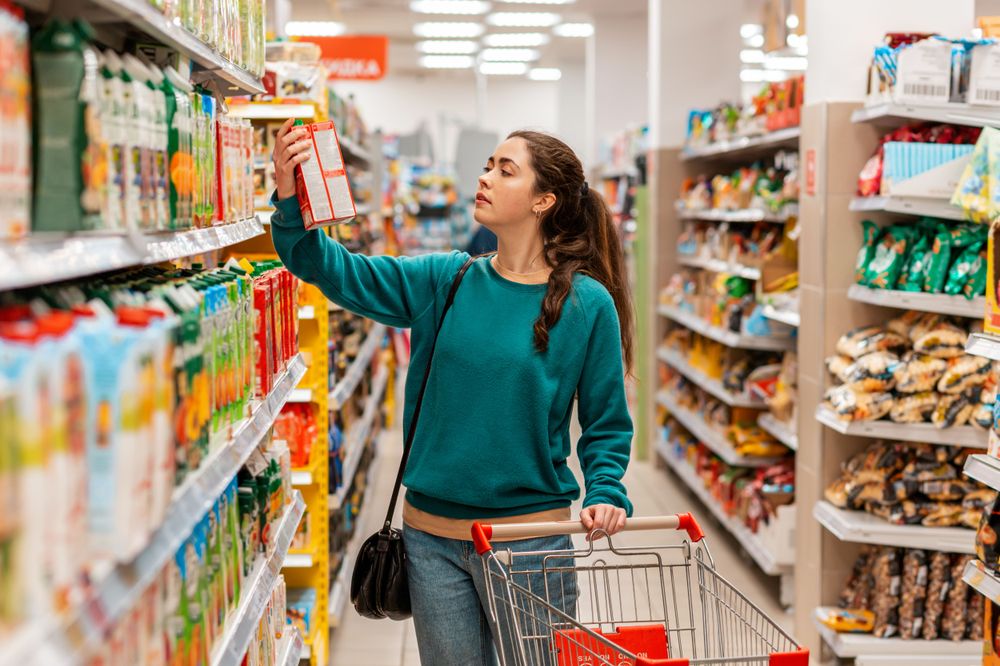
Consumer packaged goods (CPG) purchases happen in a matter of seconds, but the decision that drives them often forms well before the shopper enters the store, opens an app, or reaches the shelf. Brand familiarity, category routines, household exposure, social proof, and media experiences all shape the shortlist a consumer carries into the purchase moment. While the physical or digital shelf is where a transaction is finalized, the actual choice is often made long before.
In this white paper, we explore why brand preference forms before active shopping begins, the early signals that shape these consumer decisions, how a modern media and data strategy can both influence and detect this early preference, and how to measure success before a conversion even happens.
CPG Brand Choice Often Begins Before the Shopping Trip
CPG purchases can look entirely spontaneous. A shopper grabs a box of cereal or a bottle of shampoo seemingly on a whim. But in reality, many of these "spontaneous" decisions are the result of prior familiarity, established category routines, or remembered exposure. The shelf is simply where earlier influence gets tested, not where it originates.
In low-consideration categories, consumers rely heavily on mental shortcuts. They don’t have the time or energy to deeply evaluate every option on the aisle. As a result, the brand that comes to mind first often has a massive advantage before pricing, placement, or promotions even enter the picture.
This introduces a critical distinction between mental availability and physical availability. Physical availability means your product is easy to find. It has strong distribution, good placement, and prominent shelf presence. Mental availability means your product is easily recognized, recalled, and trusted when a buying situation arises. While both are essential for CPG success, mental availability almost always comes first.
These buying situations are known as "category entry points," or real-life moments, needs, and triggers that bring a brand to mind. The fundamental challenge for CPG marketers is to ensure their brand is present in those moments, not just present at the shelf.
The pressure to build this early mental availability is higher than ever due to the rising quality of private labels. Recent NIQ data shows that 68% of consumers now view private label products as highly viable alternatives to name brands. If a CPG brand waits until the point of sale to make its case, it is walking into a price war with a store brand that likely costs less. This raises the cost and risk of trying to build preference only at the shelf.
Early Signals That Shape CPG Brand Choice
If preference forms before the shopping begins, brands must understand the specific, often unmeasured inputs that influence consumers before their purchase intent becomes visible.
Household Familiarity, Learned Routines, and Category Entry Points
Repetition and environment play a massive role in building brand trust. Many deep-seated CPG preferences begin with the product a consumer grew up with, the brand their partner uses, or the pantry staple that has always been there. This inherited familiarity and routine-based trust represent some of the most durable forms of brand equity.
This familiarity extends into the functional and emotional triggers that push a category into consideration. Everyday thoughts like, "I need something quick before work," "I need a snack my kids will actually eat," or "I want something I can trust for my baby's skin" are the real-world moments that precede a store visit. Connecting brand messaging to these specific moments allows brands to build preference before active shopping begins. The brands that are visible and relevant in those trigger moments are the ones that win the mental shortlist.
Social Proof, Creator Influence, and Digital Discovery
Today, consumers form opinions about CPG brands through channels that precede any traditional purchase intent signal. Creator content, for example, can introduce entirely new usage occasions, make unfamiliar brands feel socially validated, and surface products in casual, non-shopping contexts. Reviews and peer recommendations drastically reduce perceived risk, especially in categories where quality is hard to evaluate before trying the product.
This dynamic directly ties into USIM’s ongoing insights regarding AI search and zero-click behavior. Increasingly, consumers are forming their first impressions of brands through AI-generated summaries, retail platform recommendations, and social search results before they ever visit a brand's actual website or pick a product up off the shelf. Being visible and favorably represented in those early question moments shapes the consumer's shortlist long before they begin actively comparing products.
Distinctive Assets and Sensory Memory
Distinctive assets are uniquely critical to CPG marketing. Colors, shapes, packaging silhouettes, sounds, flavor cues, mascots, and taglines create mental memory structures. These structures allow consumers to recognize and recall a brand with almost zero mental effort in a crowded retail environment.
Consistent deployment of these distinctive assets across media and retail environments builds fast, low-effort recall. The brand that looks, sounds, and feels the exact same on a Connected TV (CTV) ad, on an e-commerce product detail page, and on the physical shelf holds a highly meaningful cognitive advantage. This sensory consistency is what turns passive media exposure into instinctive shelf conversion.
Value, Trust, and Competing Against Private Label
It’s important to understand the difference between value and price. CPG consumers define value through a matrix of quality, reliability, convenience, safety, ingredients, sustainability, and taste, not just cost. Brands that effectively communicate their value through these dimensions before a price comparison happens are in a much stronger competitive position.
Promotional discounts can drive short-term action, but they should never substitute for long-term trust building. Brands that rely on promotions and discounts to compete against private labels are actively training consumers to wait for a deal. Instead, brands must build a compelling reason for the consumer to prefer and choose them at full price.
What Early Preference Formation Means for CPG Media Planning
Understanding how early preference forms requires a strategic pivot in how we approach media. A media plan built exclusively around capturing conversions is structurally underinvesting in the crucial window where the consumer's preference actually takes shape.
Shift From Transaction Capture to Preference Creation
The modern media plan must ask two equally important questions: Where are conversions happening, and where are consumers forming the assumptions that influence what they buy later? Shifting the focus from pure transaction capture to preference creation is the foundation of a proactive CPG media strategy.
Use CTV, Video, and Social Creators to Build Familiarity Before Intent
Connected TV and digital video are powerful tools for building emotional familiarity and deep product understanding well before consumers enter active shopping mode. Similarly, social media and creator content make brands feel useful, culturally relevant, and top-of-mind in everyday moments that lead up to a purchase trigger. Because they share the same strategic job of building memory structures and trust when consumers aren't yet looking to buy, CTV, video, and social should be orchestrated together to maximize early mental availability.
Use Retail Media to Reinforce, Not Just Convert
Retail media is frequently treated as a bottom-of-the-funnel, last-click sales engine. However, it can also be used to reinforce brand value, introduce adjacent products to existing buyers, support competitor conquesting, and connect broader media exposure to actual purchase behavior. Brands that only activate retail media at the exact point of sale are underusing a channel that can actively contribute to preference formation for shoppers who are browsing in an evaluation mindset.
Win the Early Question Moments in Search and AI
Consumers ask questions long before they buy. Queries like "best protein snack for work," "safe detergent for sensitive skin," or "cleaning products that actually remove grease" are prime preference-building moments. Brands with content and paid media strategies designed to appear at these moments are shaping trust before active shopping begins.
As the search landscape shifts toward zero-click behaviors and AI-summarized answers, visibility at this early question stage becomes both more valuable and harder to achieve through traditional search tactics alone. CPG brands must optimize for the AI search environment to ensure they are the recommended answer when consumers are just starting to explore a category.
Measuring Early Preference, Not Just Conversion
If brands only measure the final purchase, they completely miss the moments that made that purchase happen in the first place. Measurement frameworks must evolve to capture both the data signals available before conversion and the specific key performance indicators (KPIs) that track early influence.
Before a sale ever occurs, several data signals can surface preference formation. These include branded search volume, social media engagement tied to specific usage occasions, product page views that don't immediately result in a conversion, add-to-cart behaviors, competitor comparison queries, active reading of reviews and FAQs, and repeat media exposure patterns prior to a first purchase.
To track this effectively, a modern CPG measurement framework should include:
- Brand awareness and preference lift
- Consideration lift
- Category entry point association
- Share of search
- New-to-brand buyer rates
- Repeat purchase rates
- Household penetration
- Media incrementality
- Retail media assisted sales
These metrics require different tools than standard performance marketing dashboards. Capturing early preference accurately often requires brand lift studies, deep shopper data partnerships, or Marketing Mix Modeling (MMM). Modern marketing strategy requires leveraging purchase behavior and responsive messaging to deliver highly relevant content across the entire shopper journey.
Ultimately, preference cannot be measured by last-click Return on Ad Spend (ROAS). The measurement framework must be purpose-built to capture influence, not just the final conversion.
Putting CPG Preference Strategy Into Action
CPG brands often compete the hardest at the physical or digital shelf, but the modern consumer’s preference is usually already leaning toward a specific choice before that moment arrives. To win the sale, brands must win the moments that lead up to it.
We encourage CPG marketers to audit their current approach across a few areas:
- Where preference is forming within your specific category.
- Which category entry points and daily consumer routines matter most to your buyers.
- Whether the current media mix is too heavily concentrated at the point of purchase.
- How your creative communicates value beyond price and promotions.
- Whether your measurement framework captures early preference indicators, or just final conversions.
USIM partners with CPG brands to connect these crucial layers, bridging media, consumer insight, retail behavior, creative strategy, and measurable growth across the full shopper journey. Contact USIM today to schedule a free consultation and talk about building a CPG media strategy that wins preference earlier and turns early influence into measurable, long-term growth.