What Drives Everyday QSR Decisions: How Timing, Proximity, and Routine Shape Demand
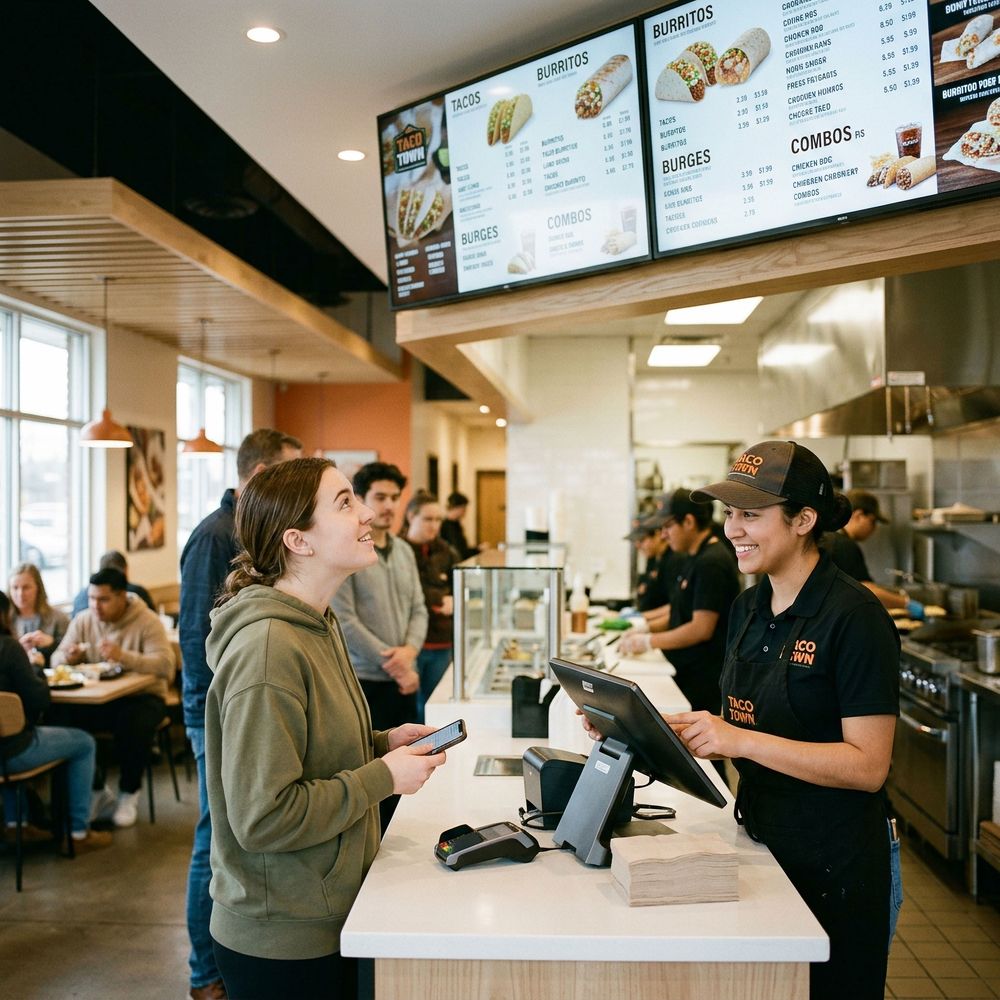
QSR decisions don’t follow the traditional marketing models. They don’t begin with awareness, or move cleanly through consideration. And they rarely involve consumers comparing deliberately across multiple brands.
Everyday QSR (quick service restaurant) decisions happen in moments that are shaped by context, and influenced by timing, physical environment, and buyer habits that guide action before conscious evaluation even begins.
Growth in this category doesn’t come from simply capturing demand at the point of conversion. It comes from understanding what shapes demand before that moment happens.
In this white paper, we examine how timing, proximity, and routine shape QSR demand and how brands can rethink media strategy to align with real-world behavior.
Why QSR Decisions Don’t Follow a Traditional Funnel
Most marketing strategies assume a structured journey from awareness to consideration to purchase. That model breaks down in QSR.
Decisions happen quickly, often minutes, sometimes even in seconds. Purchase frequency is high, but consumers don’t spend much time thinking it through. They’re not exploring multiple options in depth. They’re solving an immediate need.
In many cases, the decision is made before the consumer even begins actively thinking about it. The choice is shaped by habit, convenience, and what’s easiest in the moment. Quick service food industry operates in a default choice setting, not one driven by discovery.
The question is usually “what’s easiest right now” rather than “What should I choose?”
The Three Forces That Shape Everyday QSR Demand
To understand QSR behavior, brands will need to move beyond traditional audience segments and focus on forces that actually shape decisions. Three primary factors drive demand: timing, proximity, and routine.
Timing: When Demand Becomes Action
Time is one of the most powerful constraints in QSR decision-making.
Consumers don’t choose food in a vacuum. They choose within windows like morning routines, lunch breaks, and late-night snacking.
Within those windows, choices are shaped by micro-moments like a commute between meetings or a gap between activities.
Time pressure reduces how much people think. It speeds up the decision process and prioritizes speed over choice. In these moments, people consider what’s fast and what fits in the moment.
Short windows favor familiarity and easy access. Brands that match messaging and visibility to these time-based needs are more likely to influence behavior than those relying on broad, always-on messaging.
Proximity: The Power of What’s Nearby
Proximity determines what consumers realistically consider. This includes physical proximity, such as distance to a location, ease of access, and visibility in the environment.
It also includes digital presence:
- Search results
- Map listings
- Delivery apps
- Platform visibility at the moment of need
In many cases, the closest option becomes the chosen option.
This changes how competition works for QSR businesses. While brands may compete at a national level in perception, they compete hyperlocally in actual decision-making moments. The real competition is not every QSR brand, but the few options within reach at that moment.
Winning means being visible and easy to access in that moment, not just being present in broader media channels.
Routine: The Hidden Driver of Repeat Behavior
Routine turns one-time decisions into repeat behavior. Many QSR purchases are not driven by deep loyalty to a brand. They’re driven by habit. The same coffee on the way to work or the same take-out order on busy evenings.
These choices require minimal effort because they are easy, predictable, and comfortable. Routine is powerful because it reduces the need to choose.
Breaking a routine is hard, so consumers stick to what they know unless something meaningfully disrupts that pattern.
Winning in the QSR industry isn’t just about being chosen once. It’s about becoming part of the routine.
How Timing, Proximity, and Routine Work Together to Shape Demand
Timing, proximity, and routine rarely operate independently. They often work together to create the default decision.
For example:
- A morning commute (timing)
- A nearby coffee shop (proximity)
- A familiar order (routine)
Or:
- A short lunch break (timing)
- A familiar quick option nearby (proximity + routine)
In these cases, the consumer isn’t usually weighing multiple options. The decision is shaped by the moment before any real consideration is necessary, and determined by how much time is available, what is within reach, and what is familiar.
QSR demand is not an open search. It’s a limited set of choices shaped by specific moments.
Why Traditional Media Strategies Miss QSR Reality
Most QSR media strategies are built for decisions that never actually happen.
They rely on:
- Broad awareness campaigns
- Generic promotional messaging
- Last-click performance metrics
These approaches assume that consumers are actively evaluating options and can be influenced at the point of decision. In reality, most QSR decisions are shaped before media has a chance to make an impact. This creates a clear gap.
Traditional measurement models reinforce the problem. Last-click attribution shows where the sale happened, but not what influenced it.
It misses important factors like habit formation, local influence, and time-based triggers. As a result, brands focus on what’s easiest to measure rather than what actually drives demand.
Designing Media Around Moments, Not Channels
To match real-world behavior, QSR strategy must shift from a channel-first approach to a moment-first approach.
This means planning media around time of day, physical setting, and behavior patterns. Instead of targeting broad audience segments, brands should focus on moments of need.
A consumer at 8:15 AM during a commute has a different mindset than that same person at 2:00 PM or 10:00 PM. Treating them as one audience group ignores the context that drives the decision.
Moment-first planning ensures that media aligns with when and where decisions actually happen, not just who the consumer is.
Putting this into action means rethinking how media, messaging, and experience work together to influence behavior before the decision is made.
Align Media with Time-Based Demand Windows
QSR demand is time-sensitive, with different needs and expectations shaping each part of the day. Matching media to these windows keeps messaging useful and relevant in the moment decisions are made.
- Use dayparting to match messaging with behavior
- Deploy real-time triggers tied to the moment
- Adjust creative to reflect specific moments, not broad offers
When media matches time-based intent, brands stay relevant without increasing pressure.
Win the Proximity Battle
Proximity often determines which brands are even considered. Being seen at the right place and time is just as important as the message itself.
- Prioritize local search and map visibility
- Maintain presence on navigation and delivery platforms
- Use geo-targeted media to reinforce availability in key moments
If a QSR brand isn’t visible in the moment of need, it won’t be chosen.
Build and Reinforce Routine
Routine drives repeat behavior and removes the need to think. Brands that become part of a consumer’s daily habits create long-term value.
- Use loyalty programs to encourage repeat behavior
- Maintain presence during routine moments
- Use messaging that builds trust and familiarity
The goal is not just to win the first visit, but to become the default choice over time.
Reduce Friction at the Point of Decision
In fast, low-consideration moments, even small barriers can shift a decision. Reducing friction makes the easiest option the chosen one, especially when time is limited.
- Simplify mobile ordering and checkout
- Show clear, easy-to-understand menus and offers
- Remove steps that slow down the decision process
Measurement: Understanding What Actually Drives QSR Demand
To support a moment-based strategy, measurement should shift from tracking results to understanding influence. Clicks and last-touch attribution show where a transaction happened, but they don’t explain why it happened. In QSR, where decisions are shaped by timing, proximity, and routine, that distinction matters.
A better approach focuses on identifying what actually changes behavior:
- Use incrementality testing to determine whether media is driving new visits or just capturing demand that was already there.
- Use location-based lift analysis to measure how local presence and visibility influence store visits.
- Use media mix models to understand how channels work together to shape decisions across the day.
- Use time-based performance analysis to identify which moments drive action and where demand is missed.
These approaches move beyond surface-level performance and better reflect how QSR decisions are made. The goal is to understand what drives action, not just where it shows up.
From Transactions to Habit: The Real Growth Opportunity
Short-term sales drive immediate revenue. Habit is what makes that revenue predictable, scalable, and sustainable.
In the quick service industry, most purchases are not the result of active decision-making. They come from repeat behavior. A customer who visits once may add revenue. A customer who visits weekly becomes part of the business model. That shift changes how growth should be evaluated.
Acquisition is often prioritized because it is easy to track. But without repeat behavior, acquisition creates a cycle of one-time customers. Real value is unlocked when a brand moves from being an option to being the default.
This happens when a brand shows up consistently in the same key moments:
- The morning coffee run
- The weekly lunch routine
- The late-night stop for snacks
Over time, these repeat visits reduce the need for comparison or consideration. The consumer stops choosing and starts repeating.
For QSR brands, this means growth is not just about more visits. It’s about increasing visits per customer and becoming part of the routine over time.
Strategies that support this shift focus on:
- Staying present in habitual moments rather than just peak times
- Delivering a consistent, easy, and reliable experience
- Creating simple incentives that reward repeat visits without relying on heavy discounts
Routine is the most powerful lever in QSR because it removes the need to compete at the point of choice. When a brand becomes part of a consumer’s routine, it’s no longer competing to be chosen. It’s already the choice.
QSR Media for Real-World Behavior
At USIM, we approach QSR strategy through a behavior-first lens. We don’t start with channels. We start with how demand is shaped.
Our approach brings media, data, and creative together to match real-world behavior:
- Local and moment-based planning keeps brands relevant at the point of need
- Measurement ties media to real business results
- Ongoing optimization allows plans to adjust as behavior shifts
We also recognize that discovery is no longer limited to traditional channels. It is shaped by systems that control what people see, when they see it, and which options rise to the top.
Through USIM’s EDGE platform, we use real-time data and modeling to guide how and where brands show up across the decision process. EDGE connects planning, execution, and measurement, helping brands find high-value audiences, adjust media in real time, and stay visible in key moments.
This ensures brands don’t just appear across channels. They show up when and where decisions are made.
Putting QSR Strategy Into Action
QSR demand is shaped long before the point of purchase. The question is whether your strategy reflects that reality.
- Are you aligned to timing, proximity, and routine?
- Where is demand being shaped, but not captured?
- Is performance being understood at a behavioral level, or just at a channel level?
If your strategy is built around channels instead of real-world behavior, it may be missing the moments that actually drive demand.
Contact USIM today to align your media, measurement, and messaging with how consumers make everyday decisions.