How the Retail Customer Journey Works Today: Understanding the Modern Retail Decision Path
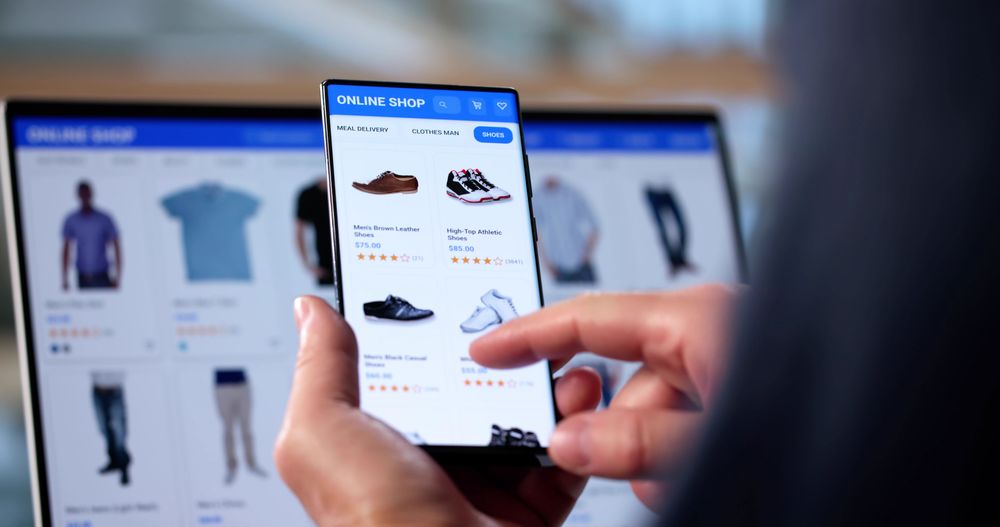
Retail marketing once relied on a predictable funnel that followed the customer journey from awareness to consideration to purchase. Today, retail buying behavior rarely follows that simple path.
Modern shoppers move between search engines, social platforms, retail marketplaces, review sites, and physical stores while evaluating products. A single purchase decision may involve several platforms, multiple research sessions, and comparisons across competing retailers.
For retail brands, growth now depends on understanding how shoppers move through this entire decision path. Media influences decisions at many points along the journey, not just at the moment when the purchase happens.
In this white paper, we’ll talk about how shoppers research, compare, and evaluate products and explain why understanding this new customer journey is essential for influencing modern retail demand.
What Is the Retail Customer Journey?
The retail customer journey describes the process shoppers go through before buying a product. Much like the traditional marketing funnel, this process typically includes the following stages:
- product awareness
- research and information gathering
- comparison between brands or products
- purchase
- post-purchase evaluation
While these stages still exist as they have for decades, in today’s digital-first environment, they rarely happen in a straight line.
Shoppers often move back and forth between them. Someone may begin researching a product, compare several options, return to research again, and then compare retailers before completing a purchase.
Because the journey is no longer a linear one, brands must remain visible throughout the process rather than focusing only on a single phase or the final moment of purchase.
Why the Retail Purchase Process Has Changed
Retail decision making has changed because modern shoppers have access to more information, more platforms, and more ways to compare products than ever before.
Several developments have contributed to this shift.
Growth of retail media networks: Retailers now operate advertising platforms within their own marketplaces. These environments place brands directly in front of shoppers while they are researching products.
AI-powered search tools: Search engines provide answers to product questions directly on results pages, allowing shoppers to get information without clicking through to a website. AI tools can summarize reviews, compare product features, and provide recommendations.
Social commerce and creator recommendations: Social platforms and influencers generate product awareness and brand credibility through demonstrations, reviews, and recommendations that are delivered right to shoppers’ social feeds.
Mobile shopping behavior: Smartphones allow shoppers to research products anywhere, and at any time. Consumers can compare options while browsing in stores, watching video content, or reading reviews.
Instant price comparison tools: Retail websites and comparison tools make it easy to see price differences across retailers within seconds.
Marketplace competition: Retail marketplaces put competing products side by side, making comparison easier and increasing brand competition.
Because of these changes, shoppers can evaluate multiple products across several platforms before choosing what to buy and where to buy it.
How Shoppers Make Purchase Decisions Today
Modern retail purchase decisions typically move through several behavioral stages, each with different types of media influence and shopper activity.
Product Awareness: How Shoppers First Hear About a Product
The retail journey often begins when shoppers encounter a product for the first time. Product awareness generally comes from:
- social media feeds and creator/influencer recommendations
- streaming video content
- online communities and discussion forums including Reddit or Quora
- digital display advertising
These exposures introduce shoppers to brands before formal research begins. A consumer might see a product demonstrated in a video or recommended by a creator before they decide to actively search for it.
At this stage, the goal is not immediate purchase. Instead, these early exposures create brand familiarity and curiosity that lead to later research.
Product Research: How Shoppers Learn About Products
Once the interest is there, shoppers start gathering information. In the research stage, consumers try to understand what options exist and if a product fits their needs.
Common research behaviors include:
- searching product categories on Google
- reading product reviews and buying guides
- watching product demonstrations or tutorials
- asking AI tools or voice assistants questions
- browsing retailer category pages
Research is an exploratory process where consumers learn about product types, features, or possible solutions rather than evaluating specific brands. This process rarely happens in a single session. Shoppers often return to research multiple times before narrowing down their options, sometimes over the course of weeks or even months.
Product Comparison: How Shoppers Choose Between Brands
During the comparison stage, shoppers narrow their choices down to a small set of products or brands that resonated most with their preferences and ideas. At this point, they evaluate options across multiple environments, like retail marketplaces, brand websites, product listings, and price comparison tools.
Evaluation often focuses on factors such as:
- price differences and transparency
- product ratings and reviews
- product features and perceived quality
- brand reputation
- promotional offers
Retail media placements can influence this stage because they place products directly alongside competing options during evaluation. Once shoppers identify the product they want, the decision process shifts from choosing the product to deciding where to purchase it or who to purchase it from.
The Purchase Decision: Why Shoppers Choose One Retailer Over Another
Even after selecting a product or specific brand, shoppers may still compare purchasing options across retailers. The decision on where to buy often centers on convenience and fulfillment rather than product choice.
Retailer selection may be influenced by factors such as:
- delivery speed
- local store availability
- pickup options such as buy online pick up in store (BOPIS)
- checkout simplicity
- loyalty programs or rewards
- return policies
Convenience often drives the decision on where the shopper makes the purchase. For example, they may already know which product they want but choose the retailer with the fastest shipping or in-store pickup.
How Media Influences the Retail Customer Journey
Media plays a role across the entire retail decision path. Multiple exposures influence brand perception and product awareness long before shoppers click the “buy now” button.
Understanding these influences helps brands position products effectively throughout the journey.
Search Engines and AI Tools in Product Research
Search engines continue to be one of the most influential environments in the retail journey. Consumers often begin researching products by searching for information, comparisons, or reviews.
AI-powered search tools now provide answers to many of these questions directly on results pages with summarized reviews, highlights of product differences, and recommendations.
Even when shoppers don’t click through to a website, these summaries can shape which brands they consider.
Retail Media Networks and Shopping Platforms
Retail media networks are advertising platforms operated by retailers that allow brands to promote products within digital shopping environments using first-party shopper data. Examples include Amazon Ads, Walmart Connect, and Instacart Ads.
Because these ads appear within retailer ecosystems, they can influence shoppers while they are actively researching and evaluating products.
Retail media placements commonly appear within product search results, on category browsing pages, and within recommendation modules or sponsored product listings. By appearing next to competing products, retail media placements shape visibility, influence comparison behavior, and affect which brands shoppers ultimately choose.
Social Media and Creator Recommendations
Social media is one of today’s most important environments for product research.
Shoppers often turn to:
- creator and influencer reviews
- product demonstrations
- community recommendations
- short-form video comparisons
These signals influence brand credibility and help consumers evaluate products before visiting retailer websites. Authentic creator recommendations often play a major role in shaping early product perceptions.
Connected TV and Streaming Video in Retail Marketing
Streaming platforms also influence retail marketing. Connected TV (CTV) advertising introduces products through high-quality video storytelling that builds brand familiarity and credibility. These exposures often occur before shoppers begin directly researching specific products.
When consumers later encounter a product during research or comparison, their previous exposure through video can influence brand recognition and trust.
How Retail Brands Can Influence Purchase Decisions
Retail brands can influence the purchase decision process by staying visible and helpful throughout the research, comparison, and purchase stages of the customer journey.
Improve Visibility During Product Research
Brands should appear during research moments in the spaces where shoppers first begin evaluating products. Important tactics include:
- strong search visibility
- active presence on retail marketplaces
- educational and informational product content
- creator partnerships
Support Product Evaluation with Helpful Content
Consumers often need reassurance before choosing a product. Helpful, informational content supports evaluation by answering common questions and clarifying differences between options. This reduces uncertainty and boosts confidence in purchase decisions.
Examples include:
- product comparison guides
- how-to videos
- customer testimonials
- expert recommendations
Use Omnichannel Retail Strategies
Consumers rarely interact with a brand in a single environment before making a purchase. They might see a product on social media, research it through Google, compare prices on a retail marketplace, and complete the purchase in a physical store or mobile app.
Retail brands with consistent messaging, pricing transparency, and product information across platforms and environments make it easier for shoppers to move from evaluation to purchase.
Effective omnichannel strategies often combine:
- search advertising
- retail media networks
- social media placements
- video advertising
Remove Barriers to Purchase
Even when shoppers have chosen a product, small obstacles can delay or redirect the final purchase. Retail brands can support conversion by improving elements such as:
- checkout simplicity
- delivery transparency
- inventory visibility
- return policies
Remember that convenience is often the deciding factor in the final purchase decision.
How to Measure the Retail Customer Journey
Traditional measurement methods often miss important influences in the retail journey. Last-click attribution captures the final interaction before a purchase but doesn’t reveal earlier exposures that helped shape purchase decisions.
Retail brands can gain deeper insight through measurement approaches such as:
- Incrementality testing: This measures if a marketing activity actually causes additional sales by comparing results between audiences that were exposed to a campaign and those that were not.
- Media mix modeling: This analyzes historical marketing spend and sales data to estimate how different media channels contribute to revenue over time.
- Cross-channel attribution: This evaluates how multiple marketing touchpoints work together across platforms, helping teams understand how exposure across channels influences conversion paths.
- Integration of retail sales data: This data connects marketing activity with actual purchase outcomes from retailers, allowing brands to measure how media exposure translates into actual product sales.
These methods help identify which media environments influence demand rather than simply recording where conversions occur.
Future Trends Shaping Retail Buying Behavior
Retail buying behavior will continue to evolve as technology and media environments change. Several emerging trends are already shaping how consumers evaluate products, including:
- AI-assisted shopping tools
- voice search and conversational commerce
- expansion of retail media networks
- growing dominance of retail marketplaces
- hybrid online and in-store shopping journeys
Brands will need to continue to refine their retail marketing strategies as these behaviors evolve.
Understanding the Modern Retail Customer Journey
Retail journeys are no longer predictable or linear. Shoppers rely on research, comparison, and validation before making purchase decisions, but rarely in order, and they often bounce back and forth between stages. Media influences many of these interactions long before the final transaction occurs.
Retail media networks and marketplaces now play a central role in product visibility and comparison, and measurement strategies must evolve, focusing on demand influence rather than simple attribution.
At USIM, we help brands design media strategies that align with how shoppers actually research, evaluate, and purchase products across today’s retail environment.
Connect with USIM to build a retail marketing strategy that supports the full customer journey.